Most manufacturers treat adding a cleaning stage as a simple forklift‑and‑plug operation, but integrating cleaning systems into a production line demands careful engineering—miscalculations create bottlenecks and inconsistent cleanliness. Over twenty years designing automated cleaning lines for factories across more than 20 countries, I’ve found that successful integration starts with quantifying throughput, part geometry, and cleanliness targets before any equipment order. This guide follows the sequence we use at GTKCLEAN to make cleaning work inside a moving line.
Assess Your Production Line Requirements and Constraints
Before evaluating cleaning technology, define the numbers that dictate system size and configuration. The most critical are production rate, part dimensions, and allowable floor space. A line producing 1,200 aluminum housings per hour requires a fundamentally different cleaning solution than one processing 10 large gearbox castings per shift. We calculate the necessary cleaning basket size and conveyor speed from these figures, then check whether the available floor area can accommodate a multi-tank linear layout, a compact inline tunnel, or a rotary basket machine. One of the most overlooked constraints is the existing line’s mechanical interface. The cleaning station must accept parts at the same height and orientation as the upstream conveyor. For a client converting a manual wash station to an automated pass-through system, we redesigned the elevator traction sheave loading station to deliver cleaned parts directly onto the assembly conveyor without manual repositioning. That single change cut post‑cleaning handling by 40%. Before committing to a specific system architecture, map every upstream and downstream handoff in detail.
Production rate and part variety determine the cleaning system footprint and layout. <How to Integrate Automated Cleaning into Production Lines> covers the four critical data points you need to gather before speaking with an equipment supplier.
Select the Right Cleaning System Type and Configuration
Once throughput and footprint are known, the next decision is cleaning method: aqueous, solvent, or a hybrid. For lines handling stamped steel or aluminum parts with heavy oil, hydrocarbon solvent systems with vacuum drying deliver high cleanliness without water marking. For CNC machined components requiring residue‑free surfaces before coating, a multi‑stage aqueous ultrasonic system with DI water rinsing and hot air drying is often the better choice. I always anchor this decision on the contaminant type and the downstream process requirement—PVD coating lines, for example, demand conductivity below 5 µS/cm after cleaning, which practically mandates a DI water rinse stage with inline conductivity monitoring. System configuration directly affects integration complexity. A single‑tank benchtop unit with manual loading fits a small batch operation but interrupts continuous flow. Multi‑tank ultrasonic lines with automatic basket transfer can process 200 kg per batch and keep pace with high‑volume stamping lines when equipped with a PLC that receives part‑present signals from the upstream conveyor. We typically recommend a minimum of three stages—wash, rinse, dry—for any in‑line cleaning application, adding a fourth if rust prevention or passivation is required.
System Type
Throughput Range
Typical Integration Complexity
Best For
Single‑tank manual load
1–5 baskets/hr
Low
Small batch, low volume
Semi‑automatic multi‑tank
5–15 baskets/hr
Medium
Medium‑volume, part variety
Inline tunnel washer
30–200+ baskets/hr
High
High‑volume, fixed part type
Rotary basket automatic
8–20 baskets/hr
Medium‑High
Complex geometries, blind holes
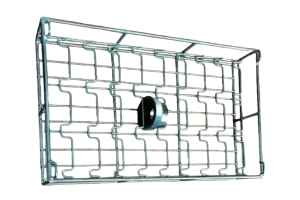
Selecting the correct basket type is equally important. Parts with deep blind holes need a rotary basket that rotates during cleaning and drying; flat parts can use a fixed square basket. The basket material must withstand the cleaning chemistry and temperature—SUS304 stainless steel is standard, but when hydrochloric acid pickling steps are involved, we switch to SUS316 or PP baskets to prevent corrosion. If your program involves high‑value components with internal cavities that trap liquid, it is worth confirming the drying method with a test run before finalizing the BOM. Reach out at [email protected] to arrange sample cleaning trials that verify drying completeness on your actual parts.
Plan the Physical Integration Layout and Material Flow
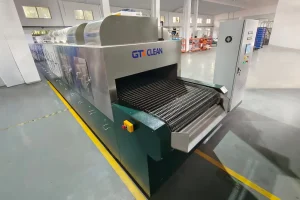
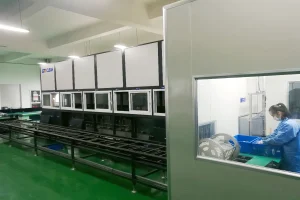
Physical integration is where theoretical plans meet factory reality. The cleaning system must fit into the existing floor plan without blocking maintenance access to other machines, and it must not disrupt the natural material flow. I begin by sketching the production line from the upstream operation to the next value‑added process, then overlay the cleaning station’s footprint plus the buffer zones required for part accumulation during cycle peaks. Conveyor interfaces are the most common failure point. If the existing line uses a belt conveyor at 800 mm height, the cleaning machine’s infeed must match that height exactly. Mismatches force operators to manually transfer parts, losing the automation benefit. For an automotive fastener line, we installed a tunnel washer with an integrated mesh belt that ran at exactly the same speed and height as the outgoing cold heading machine, allowing parts to slide directly into the cleaning section without accumulation. The client gained a 30% increase in processed tonnage per shift simply by eliminating the transfer bottleneck. Utilities planning goes hand in hand with layout. A typical multi‑tank ultrasonic line requires a 380V three‑phase supply, compressed air for air knives or air knives plus hot air drying, and a DI water supply if water rinsing is specified. Ventilation is critical for solvent systems—we always include a fume extraction duct that ties into the factory’s central exhaust or an independent activated carbon filter unit. Underestimating the electrical load is a common mistake; one client’s facility needed a dedicated 160 A breaker after we calculated the combined heater, ultrasonic generator, and conveyor motor loads.
A cleaning system sitting on the factory floor is invisible to the line’s overall control system unless it talks the same protocol. Modern cleaning machines from GTKCLEAN use Siemens or Mitsubishi PLCs with Ethernet/IP or Profinet connectivity, allowing the line’s master PLC to send job recipes and receive cleaning cycle completion signals. The integration logic we program includes dry‑contact interlocks: the cleaning machine will not accept a part unless the downstream station is ready and the upstream conveyor has confirmed part delivery. This prevents pile‑ups and ensures traceability. For lines that already use a manufacturing execution system (MES), the cleaning system can push batch data—wash temperature, ultrasonic power, rinse conductivity, drying temperature—to the MES database for each part serial number. This data is invaluable for quality audits and for proving process compliance to automotive or aerospace customers. I have personally configured a hydrocarbon ultrasonic vacuum cleaner at a new energy vehicle battery housing plant to send six process parameters per cycle to the plant’s centralized SCADA system, giving the quality manager real‑time visibility into cleaning deviations. The control integration also supports automated cleaning recipe changes. When the upstream robot places a different part variant on the conveyor, the cleaning machine can automatically select the appropriate wash time, temperature, and conveyor speed from a pre‑loaded recipe table. This eliminates manual parameter changes between batches and keeps the line running without operator intervention.
Control system integration transforms a stand‑alone machine into a fully coordinated production line module. <Automated Ultrasonic Cleaning Systems for Advanced Manufacturing> explains the PLC protocols, sensor wiring, and recipe management needed to achieve lights‑out cleaning operation.
Validate Performance and Establish Maintenance Protocols
Installing the system is only half the job. The final phase validates that the cleaning meets the specified cleanliness level across all part surfaces and that the system can maintain throughput without unscheduled stoppages. We run a three‑day qualification protocol: sample parts are cleaned and tested for residual contamination using gravimetric or surface tension methods, ultrasonic power calibration is verified with foil tests, and conveyor speed accuracy is measured with a tachometer. Any deviation triggers an adjustment, and the validation repeats. Cleaning solution lifecycle management is a frequently neglected area. Without proper filtration, oil and particulate accumulate in the wash tank, reducing cleaning effectiveness and forcing more frequent dumping. Our systems incorporate bag filters and oil skimmers that can extend solution life by 3–5 times, cutting chemical costs by roughly one‑third over a year. Regular monitoring of solution pH, conductivity, and soil loading prevents gradual performance drift. I train plant maintenance teams to check these parameters weekly and to swap filter bags based on pressure drop indicators rather than a fixed calendar. Preventive maintenance on transducers and generators is equally critical. Ultrasonic transducers degrade slowly over time, and a drop in output power below 80% of rated capacity produces incomplete cleaning on deep features. Quarterly power output checks using a calibrated hydrophone or foil erosion test are a small investment compared to scrapped parts or coating adhesion failures downstream. For solvent systems, the vacuum pump oil and seals need inspection per the manufacturer’s schedule to prevent vapor emissions and maintain drying performance.
Put In‑Line Cleaning at the Center of Your Production Line Strategy
Integrating a cleaning system requires engineering effort, but the alternative—manual washing or off‑line batch processing—erodes throughput and quality every shift. Working with a supplier that has real production‑line integration experience turns cleaning into a predictable, automated step that strengthens your manufacturing flow rather than interrupting it. Send your part drawings, target throughput, and cleanliness specification to [email protected] or call +86 17768507147, and we will propose a system layout and equipment configuration that fits your line without forcing you to rearrange existing machinery.
Common Questions About Cleaning System Integration
Will an automated cleaning system fit into my existing production line without major modifications?
In most cases, yes, but the answer depends on the line’s conveyor height, available footprint, and existing utility connections. For lines built with standard 800 mm or 1000 mm conveyor widths and sufficient overhead clearance, a custom‑designed cleaning machine can be integrated with minimal structural changes. We once retrofitted an inline CNC aluminum shell cleaner into a die‑casting line that had only 3 meters of free space by designing a compact spray‑and‑air‑knife tunnel with a vertical return conveyor. The line did not need to move any other machinery.
How do I decide between aqueous and solvent cleaning for an in‑line system?
The choice hinges on contaminant type and downstream coating requirements. Heavy stamping oils and waxes respond better to hydrocarbon solvents, which also dry more quickly and completely. Aqueous systems with ultrasonic energy and DI water rinsing are better for removing water‑soluble coolants and for applications where absolute residue‑free surfaces are mandatory before PVD or CVD coating. If your line serves multiple part types, a hybrid system with a solvent wash stage followed by an aqueous rinse can handle a broad contaminant spectrum, though the system cost is higher.
What throughput can I realistically expect from an in‑line cleaning system?
Throughput is determined by conveyor speed, basket size, and cycle time. A single‑pass tunnel washer cleaning small fasteners can process 200 kg per hour; a multi‑tank rotary basket system for complex automotive parts typically handles 8–15 baskets per hour, with each basket carrying up to 200 kg. The bottleneck is usually drying, not washing. Specifying vacuum drying for complex geometries can cut cycle time significantly compared to hot air alone. Share your target hourly production rate and part dimensions, and we can confirm what system configuration will meet your throughput—send details to [email protected].
How long does integration and commissioning typically take?
A standard multi‑tank system with pre‑engineered conveyor interfaces can be installed and commissioned in two to three weeks after delivery, including PLC integration with the line’s main controller. Complex projects that involve factory‑wide control system changes, custom utility runs, or building structural modifications may add another one to two weeks. We always stage a full acceptance test at our facility before shipping to catch any control issues early, which reduces on‑site commissioning time by roughly 30%.
Is it realistic to add an automated cleaning stage to a line that currently relies on manual washing?

 If your program involves high‑value components with internal cavities that trap liquid, it is worth confirming the drying method with a test run before finalizing the BOM. Reach out at [email protected] to arrange sample cleaning trials that verify drying completeness on your actual parts.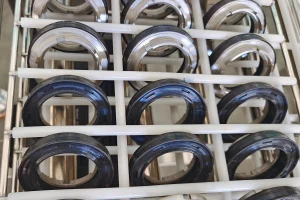
 English
  German
  Spanish
  French
  Russian
  Portuguese